Wisdom Teeth Removal in Oxnard CA: Understanding Healing Stages
@alexisjbji640
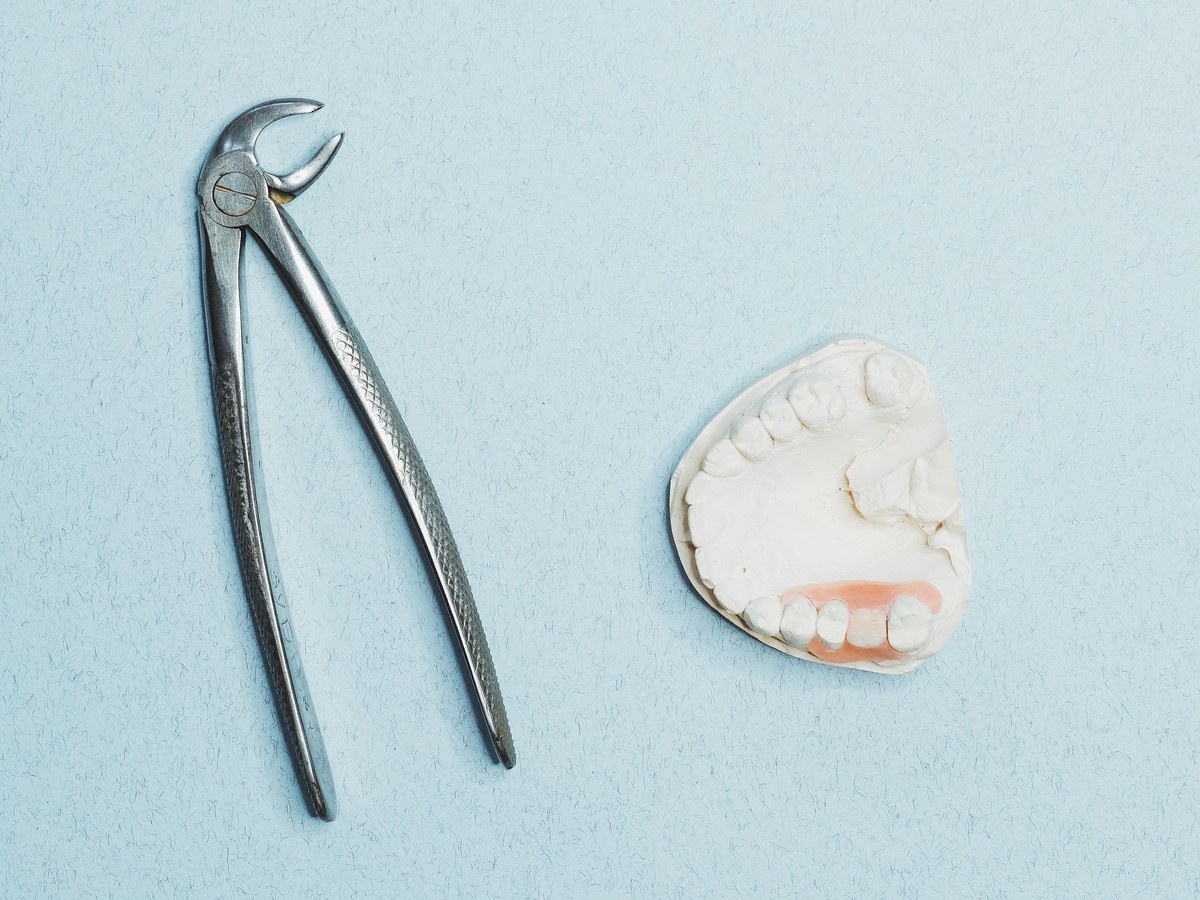
Wisdom teeth removal tends to get talked about as a single event, one appointment, one ride home, one weekend on the couch. In practice, recovery unfolds in stages, and each stage brings its own set of normal changes, small annoyances, and occasional warning signs. Patients often feel better when they know what healing is supposed to look like, especially during the first week, when swelling, soreness, and a limited diet can make everything feel more dramatic than it is.
For people planning Wisdom Teeth Removal Oxnard CA, the most useful question is usually not just, “How long will I be sore?” It is, “What should I expect day by day, and how do I tell the difference between routine healing and a problem?” That is where a clear understanding of healing stages helps. It gives you a timeline, but just as importantly, it gives you context.
Recovery is not identical for everyone. A healthy 17-year-old having four erupted wisdom teeth removed under local anesthesia may bounce back quickly. A patient in their late 20s with impacted lower wisdom teeth close to the nerve may have a slower, more uncomfortable first week. Smokers, people with uncontrolled diabetes, patients on certain medications, and anyone with a history of difficult healing can also see a different recovery pattern. The broad stages are predictable, but the details vary.
The first hours after surgery, what your body is doing
Right after the procedure, the body’s first job is simple and essential: form a stable blood clot in each extraction site. That clot is not debris and not something to rinse away. It acts like a protective cover over the bone and nerve endings while the deeper tissue begins to repair itself. If the clot holds, healing usually moves in the right direction. If it breaks down too early, pain can increase sharply and recovery becomes more complicated.
During those first few hours, the mouth still feels numb, the jaw may feel heavy, and it is common to notice some oozing from the sockets. Oozing is different from active bleeding. A little pink saliva on the gauze or pillow is common. Bright red blood that fills the mouth steadily is not.
This early window is when instructions matter most. Bite pressure on gauze helps the clot mature. Vigorous spitting, sucking through a straw, smoking, forceful rinsing, and hard exercise can all interfere with clot formation. People sometimes underestimate how easy it is to disturb the site. Even something as ordinary as clearing the throat aggressively or swishing mouthwash too soon can work against you.
Pain at this stage is often less intense than patients expect because local anesthetic or sedation medications may still be in effect. The trick is not to wait for severe pain before starting the prescribed or recommended pain control plan. Once the numbness fades completely, discomfort can catch up quickly.
Day one, swelling begins before you feel like much is happening
The first 24 hours are often deceptive. Patients may come home tired, take medication, nap, and think, “This is not too bad.” Then, by evening, the jaw starts to stiffen and swelling becomes more noticeable. That progression is normal. Surgical removal creates controlled trauma to the gum and bone, and the body responds with inflammation. Inflammation is part of healing, but it does not feel gentle.
On day one, mild to moderate swelling is expected, along with soreness when swallowing, limited mouth opening, and some tenderness in the cheeks. If lower wisdom teeth were impacted, especially if bone had to be removed, this can be more pronounced. A little blood-tinged saliva can continue through the day. Small changes in taste are common too, especially if there are sutures or medicated rinses involved.
Ice helps most during this phase, not because it eliminates swelling, but because it limits the peak of it. Patients who use cold packs consistently in the first day usually report a more manageable second and third day. Soft foods are also easier than people expect they will be. Yogurt, applesauce, mashed potatoes, smoothies eaten with a spoon, oatmeal once it cools, and scrambled eggs tend to work well, provided they are not too hot or too textured.
Hydration matters more than most people realize. A dry mouth feels worse, and mild dehydration can intensify fatigue and headaches. Many patients in coastal California climates do not think of themselves as dehydrated, but if they have been fasting before sedation and then eating very little afterward, they often are.
Days two and three, usually the peak of swelling and stiffness
This is the stretch that surprises people. Days two and three are often the hardest. If you wake up looking puffier than the day before, that does not automatically mean something is wrong. Swelling commonly peaks around 48 to 72 hours. The jaw can feel stiff enough that brushing the back teeth becomes awkward. Some patients develop bruising along the jawline or down the neck, especially after more involved lower extractions. Bruising looks dramatic, but in itself it is not usually concerning.
Pain during this stage should still be controllable with the medication plan given by the oral surgeon or dentist. That does not mean pain-free. It means the discomfort gradually tracks in the right direction, even if it rises and falls over the course of the day. Eating can remain clumsy. Speech may sound slightly altered because of cheek swelling or limited opening. Sleeping flat may worsen the sense of fullness and throbbing, which is why keeping the head elevated often helps.
This is also when patients tend to get curious about the extraction sites. They look in the mirror, see white or yellow material in the socket area, and worry about infection. Very often, that pale layer is normal fibrin, a protective healing tissue. It does not look pretty, but it belongs there. A truly infected site usually comes with more than an odd appearance. There is often increasing pain, worsening swelling after the expected peak, foul drainage, bad taste that does not improve, or fever.
In clinical practice, this is the point where expectations can make or break the experience. Someone who expects to be back to normal on day two often feels alarmed by perfectly typical swelling. Someone who was told recovery comes in waves tends to handle the same symptoms calmly and follow instructions better.
Days four through seven, the turn toward improvement
By the fourth day, many patients notice the first real shift. Swelling stops worsening. Pressure eases. Mouth opening starts to improve little by little. The extraction sites remain tender, but the soreness becomes less consuming. If recovery has been routine, patients begin relying less on stronger pain medication and transition to over-the-counter options, if their clinician has advised that.
This stage is when oral hygiene becomes especially important. Food can collect near the back of the mouth, and people are understandably nervous about disturbing the sockets. The balance is delicate. You do want to keep the mouth clean, but gently. Most practices recommend some combination of careful brushing, a prescribed rinse, or warm saltwater rinses after the first day, depending on the specifics of the surgery. The goal is not to scrub the sockets. It is to reduce bacterial buildup while allowing tissue to close naturally.
A common experience around day five or six is a lingering “hole” sensation where the tooth used to be. That is normal. The gums may start sealing over before the deeper space has fully filled in, especially after lower molars are removed. Patients often think healing should mean the area looks flat right away, but bone healing takes much longer than soft tissue healing. The surface may look improved while deeper remodeling is still underway.
Bad breath can also linger during this phase, even with reasonable home care. That is not unusual. Healing tissue, reduced brushing range, and trapped food can all contribute. Persistent foul odor with severe pain is different and deserves a call.
The first warning signs that deserve attention
Most recovery concerns turn out to be normal healing, but a few symptoms should not be brushed off. Patients do best when they know the difference between “uncomfortable” and “not right.”
- Bleeding that stays bright red and active despite firm gauze pressure
- Pain that gets significantly worse after a few days instead of gradually easing
- Swelling that increases after day three, especially with fever or trouble swallowing
- A bad taste or odor paired with pus-like drainage
- Numbness that does not improve as local anesthesia should have worn off
Dry socket is the complication patients hear about most often, and for good reason. It is one of the more painful setbacks after wisdom teeth removal. It usually shows up a few days after surgery, often as deep, throbbing pain that radiates toward the ear or temple. The extraction site may look empty rather than protected by a clot. It is far more common in the lower jaw than the upper, and the risk tends to rise with smoking, difficult extractions, oral contraceptive use in some patients, and disruption of the clot.
An important detail here is timing. Severe pain in the first evening can still be ordinary postoperative pain. Dry socket more often appears after a brief period of improvement or stable soreness, then worsens. That pattern matters.
What healing looks like in week two
The second week is usually much easier than the first. Most patients can eat a broader range of foods, talk without much effort, and return to school or work well before the sockets are fully healed. Sutures, if not dissolvable, may be removed around this period. If they are dissolvable, they may loosen, shrink, or come out in pieces. That often catches patients off guard, but it is expected.
The gums continue to contract around the extraction sites. Swelling should be minimal by this point or clearly fading. Mild sensitivity when chewing on the back teeth is common, particularly if the jaw stayed tense during recovery. Some people also notice sore throat symptoms for a few days after surgery due to mouth opening, suctioning, or irritation from dryness. By week two, those symptoms are usually gone.
Lower extraction sites may still trap bits of food. This is where site irrigation instructions become valuable. Some surgeons provide a small plastic syringe after the first week to help flush debris from deeper sockets. Used correctly, it can make a major difference in comfort and odor. Used too early or too forcefully, it can irritate the tissue. This is a good example of why generic advice from friends is less reliable than instructions tailored to the actual procedure you had.
For patients who undergo Wisdom Teeth Removal Oxnard CA and want to get back to beach walks, workouts, or a physically demanding job, week two is often when they feel mostly themselves again. Mostly is the key word. Bone and connective tissue are still healing beneath the surface, and overdoing it can still bring on throbbing or tenderness.
The longer arc, bone healing takes patience
People often think recovery ends when pain ends. Biologically, it does not. Soft tissue healing in the gums happens relatively quickly. Bone remodeling takes weeks to months. That does not mean you will feel impaired the whole time. It means the jaw is still quietly repairing itself long after the visible signs calm down.
This longer arc explains why extraction sites can feel slightly uneven with the tongue for quite a while. It also explains why surgeons sometimes talk about “normal healing” even when the area still has a small indentation weeks later. The body fills that space gradually. Younger patients often remodel faster. Denser bone, more impacted teeth, and more extensive surgery can stretch that timeline.
Occasionally, patients notice a small hard fragment working its way through the gum weeks after surgery. It can feel like a grain of sand or a sharp flake. Sometimes it is a tiny bone spicule, a harmless byproduct of healing that the body is pushing out. Sometimes it needs a quick in-office adjustment. It is usually not an emergency, but it is worth mentioning if it persists or becomes irritating.
Why some recoveries feel harder than others
Two patients can follow the same instructions and still have very different experiences. The position of the teeth matters. Fully erupted wisdom teeth, which sit in the mouth like regular molars, are often wisdom teeth dentist in Oxnard simpler to remove than teeth trapped under the gums or angled into the second molars. Lower wisdom teeth tend to produce more soreness than upper ones because the lower jaw bone is denser and healing there can be more inflammatory.
Age plays a role too. Late teens and early 20s often heal faster and with fewer complications than patients removing wisdom teeth later. That does not mean older adults should avoid treatment if it is indicated. It just means the conversation about recovery should be realistic. Smokers, vape users, and people who resume those habits too soon often see more pain and more dry socket cases. That pattern is consistent enough that most surgeons stress it strongly.
Sedation can shape the experience in subtler ways. A patient who has IV sedation may remember little of the procedure and wake up feeling surprisingly comfortable, then feel a delayed crash later in the day. Someone who has local anesthesia only may be more alert afterward but less groggy at home. Neither is inherently better for healing, but understanding the trade-offs helps with planning.
Practical habits that support smooth healing
Good recovery is rarely about a single trick. It is the accumulation of small decisions in the first week. Keeping ahead of pain, protecting the blood clot, staying hydrated, sleeping with the head elevated, and cleaning the mouth gently all matter more than miracle products or internet hacks.
Here are the habits that consistently help most:
- Follow the medication and aftercare instructions exactly as given
- Use cold packs early, then switch to gentle warmth later if advised
- Choose soft, nourishing foods and avoid straws, smoking, and crunchy foods
- Brush the rest of the mouth carefully, even if the surgical areas stay tender
- Call the office when symptoms feel off rather than waiting several days
That last point is worth emphasizing. Oral surgeons and dentists would much rather answer an early question than see a preventable complication get worse. Many concerns can be sorted out quickly over the phone, especially if the office knows your surgical details.
Eating, talking, sleeping, and returning to normal life
Patients often focus on pain, but day-to-day function is what shapes recovery emotionally. When can you eat real food again? When can you stop sleeping propped up? When is it safe to exercise?
Eating is usually the first frustration. The mistake people make is moving from liquids straight to crunchy convenience foods because they are tired of soft textures. A better approach is to progress through soft solids with some substance, pasta, soft rice if tolerated carefully, flaky fish, tender chicken cut small, well-cooked vegetables, and eggs. Tiny seeds, chips, crusty bread, and popcorn are frequent troublemakers because they lodge easily near the sockets.
Talking usually improves as swelling falls. People who work in customer-facing roles, teaching, or sales often notice fatigue in the jaw before true pain. That is a cue to pace yourself. Long conversations and laughing can tire the muscles around the jaw after surgery more than people expect.
Sleep tends to improve after the first few nights. Elevation helps early on because it reduces throbbing and pressure. Once swelling declines, many patients return to their normal sleep position without issue.
Exercise should return gradually. Light walking is generally fine early, if you feel steady. Heavy lifting, intense cardio, and anything that drives up blood pressure too soon can restart bleeding or increase throbbing. The exact timeline depends on the complexity of the surgery and your clinician’s advice. For an athlete or anyone with a physical job, that conversation should happen before the procedure, not after.
When location and follow-up care matter
If you are planning Wisdom Teeth Removal Oxnard CA, convenience matters, but continuity of care matters more. Wisdom teeth surgery is not just about the extraction itself. It is about having clear aftercare instructions, realistic guidance on the healing stages, and access to a team that can answer questions when recovery does not follow the textbook perfectly.
That is especially relevant in a community where people juggle commuting, outdoor activity, school schedules, and family responsibilities. A patient who tries to squeeze surgery between obligations without preparing for a real recovery window often has a harder time than the surgery alone would suggest. The smoothest recoveries usually happen when patients arrange a ride, stock the kitchen appropriately, clear their schedule for a few days, and understand what healing should look like before they get home numb and tired.
The real goal, informed expectations
The best recoveries are not always the quickest ones. They are the ones where the patient knows what stage they are in, follows instructions consistently, and recognizes early when something deserves attention. Healing after wisdom teeth removal is not linear. Swelling can peak before it resolves. The mouth can look odd before it looks normal. A socket can seem shallow on the surface while deeper tissue continues to repair for weeks.
Once you understand that rhythm, the process becomes less mysterious. You stop reading every ache as a complication and start seeing the pattern for what it is: a surgical site doing the work of healing. For most healthy patients, the hardest part is concentrated in the first few days, meaningful improvement shows up within a week, and the deeper repair continues quietly after normal life has resumed. That is the arc to expect, and knowing it ahead of time can make the entire experience easier to manage.
Oxnard Dentistry
1730 E Gonzales Rd
Oxnard, CA 93036, United States
Phone: +1 805-307-8731
FAQ About Wisdom Teeth Removal Oxnard CA
How much does it cost to get wisdom teeth removed in California?
Fees depend on tooth position, the number of extractions, imaging and anesthesia. Oxnard Dentistry can provide an individual estimate after examining your teeth. Ask for an itemized plan and confirm insurance benefits before scheduling.
Will insurance cover wisdom teeth removal?
Coverage and out-of-pocket costs vary by policy and the treatment required. Ask the dental office and your insurer to verify benefits, annual limits and any authorization requirements. A benefit estimate does not guarantee payment.
Is 30 too old to have wisdom teeth removed?
Age alone does not determine whether extraction is appropriate. A dentist evaluates symptoms, tooth position, oral health and medical history. Healthy, functional wisdom teeth may be monitored; teeth causing disease or other problems may need treatment.